Contact Us Today!
Specialized Neurosurgical Care for Children
Exceptional Neurological Care by Our World-Renowned, Board-Certified Pediatric Neurosurgeon
What are you looking for?
Neurosurgeon VS. Neurologist

Pediatric Neurosurgery
Pediatric neurosurgery is a specialized field dedicated to the delicate and complex care of children with neurological disorders affecting the brain, spine, and nervous system. Board-certified neurosurgeon Dr. Vogel and our multidisciplinary team at Pediatric Neurosurgeons of New Jersey are committed to providing compassionate, family-centered care to help our young patients and their families overcome neurological challenges.

Real Patient Testimonials

New Jersey’s Top Pediatric Neurosurgeon
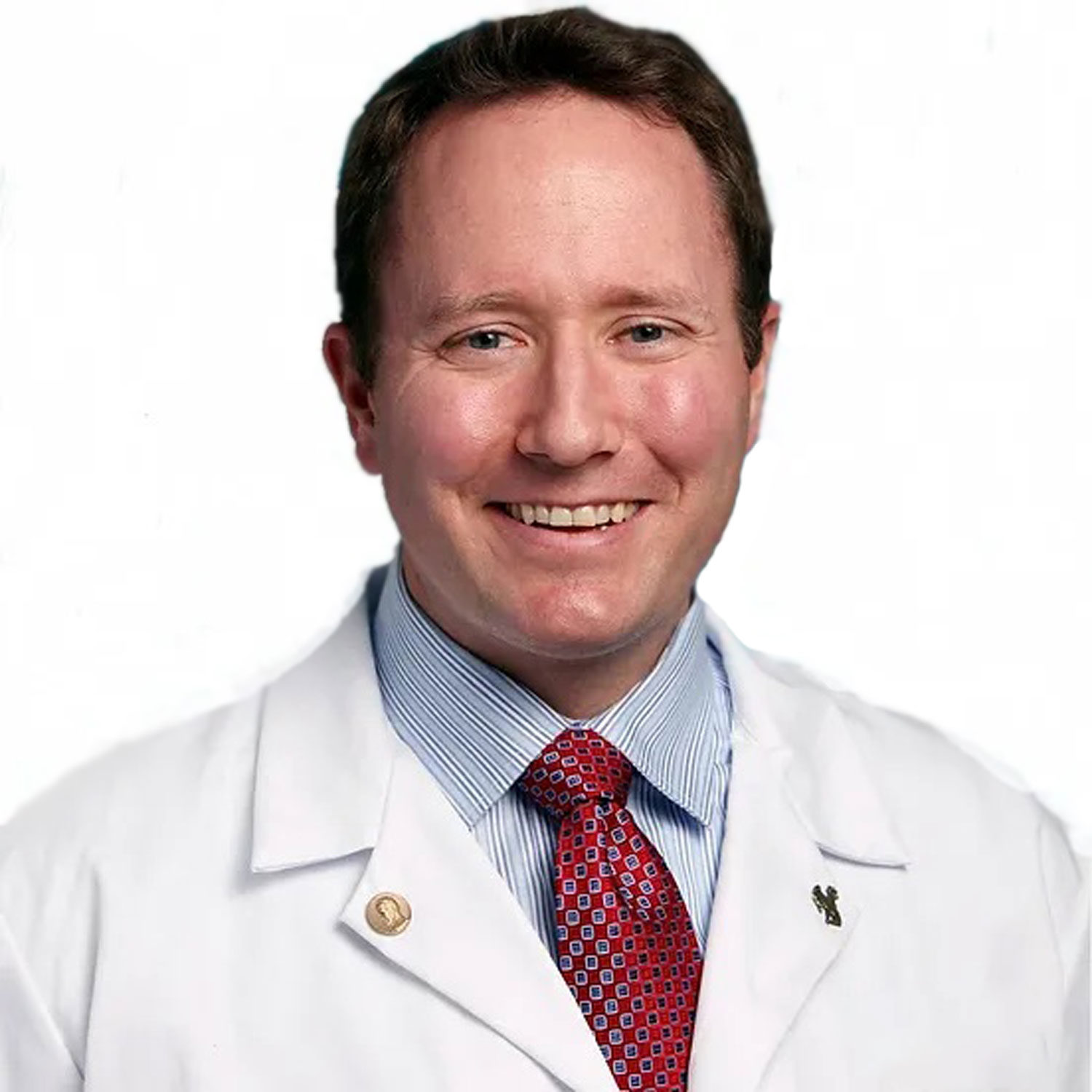
Meet Dr. Tim Vogel
Dr. Tim Vogel is a nationally recognized, board-certified pediatric neurosurgeon with a remarkable reputation. As the former Chief of Pediatric Neurosurgery at Joseph M. Sanzari Children’s Hospital, New Jersey’s #1 Children’s Hospital, Dr. Vogel has led the way in treating complex cases, such as brain tumors, craniofacial disorders, and congenital defects. He’s renowned for his commitment to compassionate care, groundbreaking research, and strong academic background. He actively contributes to pioneering research and has paved the way for several innovative minimally-invasive pediatric neurosurgical treatments now considered the gold standard of care. Dr. Vogel’s expertise, experience, and dedication make him the go-to choice for pediatric neurological care in New Jersey.
AS SEEN ON:






Minimally Invasive Craniofacial Treatments for Your Child
Craniofacial disorders cover various conditions affecting the bones, soft tissues, and structures of the skull and face. Dr. Vogel specializes in treating conditions such as cleft lip and palate, craniosynostosis, Apert syndrome, Crouzon syndrome, and various congenital malformations with a multidisciplinary team of specialists, including neurosurgeons, pediatricians, and oncologists. We offer minimally invasive craniofacial treatments that optimize both aesthetics and functionality, ensuring your child receives the highest standard of care.
The Conditions Treated:
- Craniofacial Abnormalities: Surgical correction of craniofacial abnormalities such as craniosynostosis, cleft lip and palate, and facial deformities is a key focus of pediatric neurosurgery to improve function and appearance.
- Brain Tumors: Pediatric neurosurgery addresses various brain tumors, whether benign or malignant. Surgical interventions aim to remove or manage these growths, often in conjunction with other treatments like chemotherapy or radiation therapy.
- Spinal Disorders: Conditions such as spinal cord tumors, spinal deformities like scoliosis, and tethered spinal cords are treated through surgical techniques to alleviate compression or correct deformities, restoring optimal spinal balance and function.
- Hydrocephalus: Hydrocephalus, a condition characterized by an accumulation of cerebrospinal fluid in the brain, is managed through procedures like ventriculoperitoneal (VP) shunt placement or endoscopic third ventriculostomy (ETV) to divert excess fluid.
- Epilepsy: Pediatric neurosurgery can offer surgical options for children with medically refractory epilepsy, involving procedures like cortical resections or corpus callosotomy to reduce or control seizures.
- Neurovascular Conditions: Conditions like arteriovenous malformations (AVMs) and aneurysms affecting blood vessels in the brain can be addressed through surgical interventions to prevent bleeding or rupture.
- Peripheral Nerve Disorders: Surgeries may be used to treat peripheral nerve disorders, including the removal of nerve tumors, repair of nerve injuries, or decompression of nerves.
- Movement Disorders: Some movement disorders, such as dystonia, may be treated with neurosurgical procedures like deep brain stimulation (DBS) to alleviate symptoms.
- Congenital Malformations: Pediatric neurosurgery can treat congenital malformations of the brain and spine, ensuring early interventions to minimize neurological deficits.
- Traumatic Brain and Spine Injuries: In cases of traumatic injuries, surgical interventions may stabilize fractures, remove hematoma, or alleviate spinal cord compression.
- Other Conditions: Pediatric neurosurgery also addresses other conditions, including Chiari malformation, arachnoid cysts, neurofibromatosis, cranial and spinal infections, and more.
Each of these conditions demands a tailored approach. Dr. Tim Vogel and his multidisciplinary team perform thorough diagnostic tests to identify the root cause of the symptoms and curate a surgical plan to ensure the best possible outcomes for young patients and their families.
The Treatment
Pediatric neurosurgery may involve using various surgical techniques to address a wide range of neurological conditions in children. The process begins with an evaluation and diagnosis by Dr. Vogel and his team, ensuring a personalized plan tailored to the child’s unique needs. The surgery may involve different approaches depending on the condition.


Precision Procedures and Recovery Support
For example, brain tumor resection typically requires precise removal of the tumor, often aided by neuro-navigation systems that provide real-time guidance during surgery. In cases of hydrocephalus, the placement of a ventriculoperitoneal (VP) shunt or an endoscopic third ventriculostomy (ETV) is necessary to alleviate excess cerebrospinal fluid buildup.
We generally use minimally invasive techniques, when possible, to minimize surgical trauma and promote faster recovery. Throughout the process, neurophysiological monitoring is used to ensure the safety of critical neural structures. Our team also offers meticulous care and monitoring after the surgery to support the child on their path to recovery.
The Techniques Used:
- Microsurgery: Microsurgery involves using specialized instruments and high-powered microscopes to perform intricate procedures. It is often used for brain tumor resections, vascular surgeries, and nerve repairs.
- Endoscopy: Endoscopic techniques use small, minimally-invasive instruments and cameras to access and treat conditions within the brain and spinal cord. Procedures like endoscopic third ventriculostomy (ETV) are performed to manage hydrocephalus.
- Craniosynostosis: This condition occurs when the sutures (soft spots) on a baby’s skull fuse prematurely, leading to an abnormal head shape. Surgery is performed to release and reshape the fused sutures, ensuring proper brain growth and head development.
- Stereotactic Navigation: Stereotactic navigation systems provide real-time guidance during surgery, helping surgeons precisely locate and target specific areas of the brain or spine to enhance accuracy and safety.
- Laser Surgery: Laser technology can be used to treat brain tumors and epileptic lesions. It delivers focused energy to precisely ablate or shrink abnormal tissue while minimizing damage to surrounding healthy tissue.
- Neuroendovascular Techniques: These involve using catheters and embolic agents to treat vascular conditions in the brain, such as arteriovenous malformations (AVMs) and aneurysms. It minimizes the need for open surgery.
- Deep Brain Stimulation (DBS): DBS is a neurosurgical procedure to treat movement disorders like dystonia and Parkinson’s disease. It involves implanting electrodes in specific regions connected to a stimulator device to modulate neural activity.
- Shunt Placement: In cases of hydrocephalus, ventriculoperitoneal (VP) shunt placement is a common technique. It diverts excess cerebrospinal fluid away from the brain to alleviate pressure and reduce symptoms.
- Cranial and Spinal Reconstruction: For congenital malformations, cranial vault remodeling or spinal fusion surgeries are performed to restore normal anatomy, ensuring the healthy growth and development of the child.

If I could give an 11 out of 10 I would! Not only is Dr. Vogel an incredibly skilled surgeon, but he is a wonderfully warm and relatable person.
Schedule a
Consultation
BOOK NOW

Why Choose
Pediatric Neurosurgeons of New Jersey?
- Led by a nationally recognized, board-certified pediatric neurosurgeon
- Collaborative approach with specialists from various fields to ensure comprehensive care
- Commitment to staying at the forefront of medical advancements and surgical techniques
- Compassionate and family-centered care throughout the process
- Your child is seen within 24 hours of contacting our coordinators
- Same-day and next-day appointments available for prompt care
- Families of affected children are emotionally supported and kept informed
Fill Out the Form or Call Us Now!
© 2026 Pediatric Neurosurgeons of New Jersey